The Environmental Protection of Bamboo Material
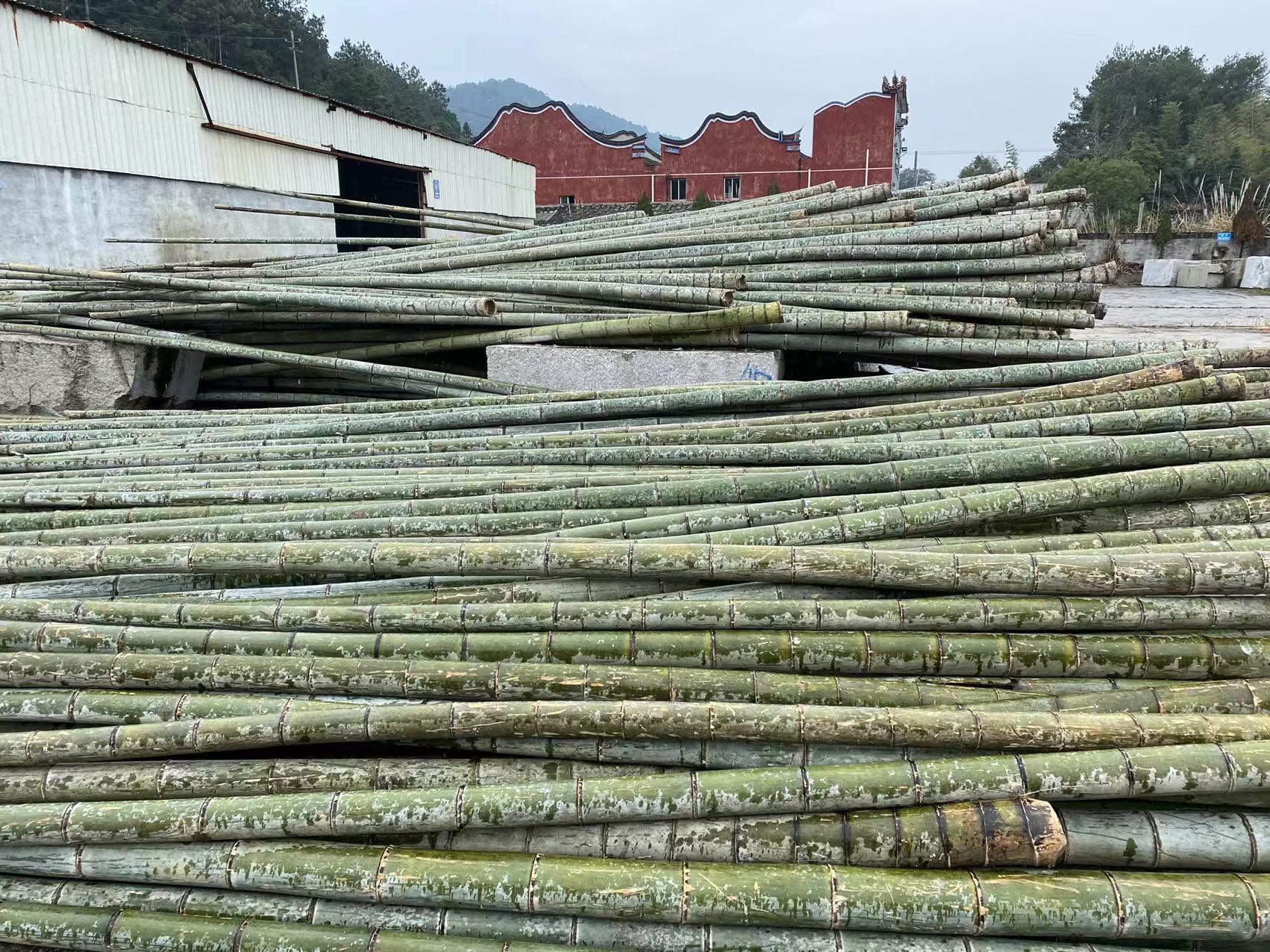
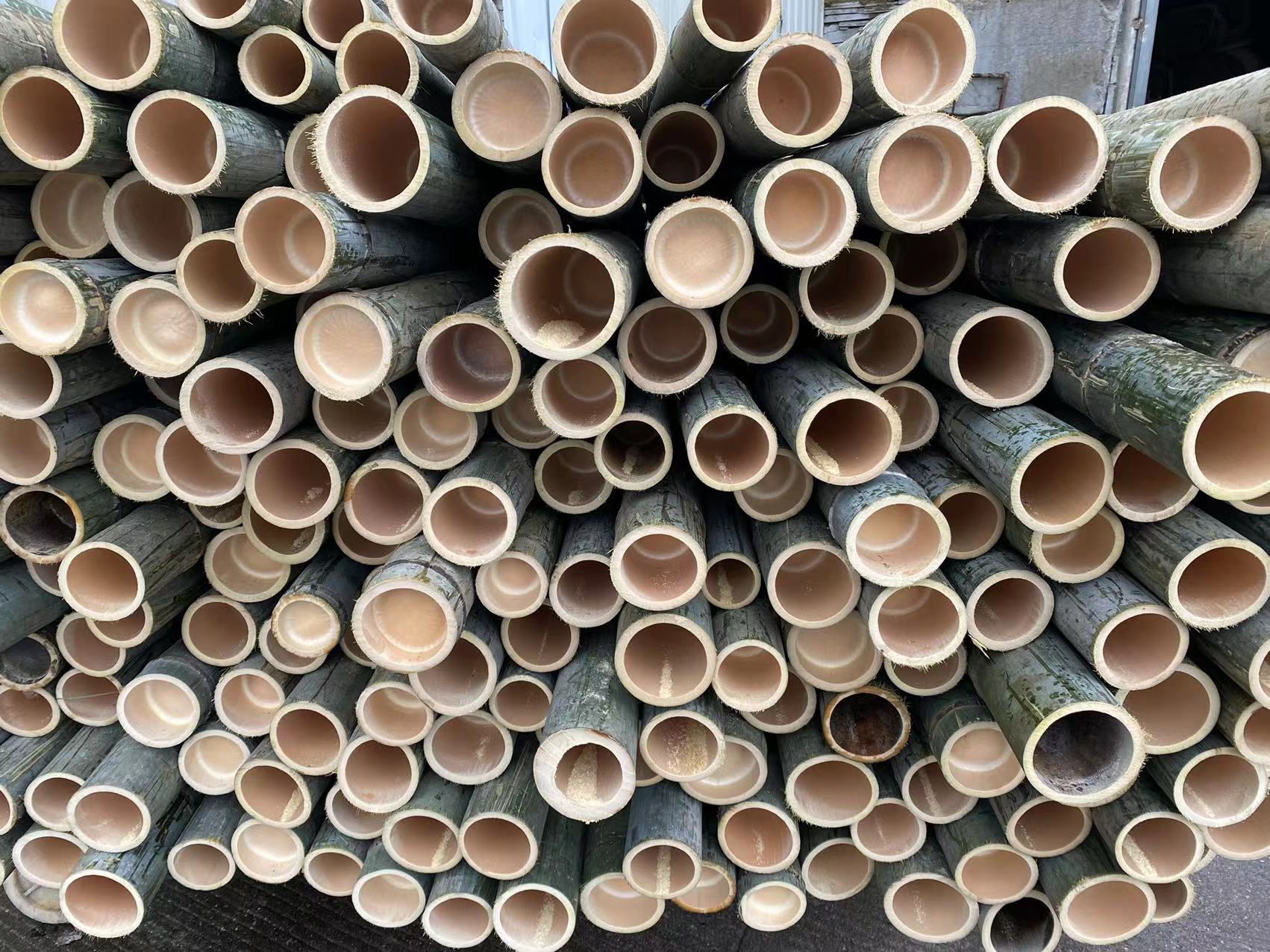
1. Bamboo is a green and environmentally friendly material. Bamboo grows very quickly and has a short growth cycle. Compared to wood, it regenerates faster. The use of bamboo can reduce dependence on natural forest resources and deforestation.
2. Bamboo resources are abundant. China is one of the countries with the highest bamboo production in the world, possessing vast bamboo forest resources. Bamboo has strong adaptability for growth and is almost suitable for most regions of China.
3. Bamboo has good physical properties. Bamboo has higher hardness and bending strength than some traditional wood, making it suitable for manufacturing in various fields such as furniture, construction, and decoration.
4. Bamboo is lightweight and easy to process. The density of bamboo is relatively low, which not only facilitates transportation but also reduces the weight of buildings. Meanwhile, bamboo fibers have a unique structure and are easy to process into products of various shapes and sizes.
5. Bamboo has excellent durability. Bamboo has good natural anti-corrosion properties and can effectively resist decay and insect damage. After reasonable treatment and maintenance, bamboo products can maintain a long service life.
6. Bamboo can be recycled and reused. Bamboo has renewable properties and can be fully recycled. Abandoned bamboo products can be recycled through processing and used to manufacture new products, reducing resource waste and environmental pollution.
7. Bamboo can promote rural development and employment. The production and processing of bamboo require a large amount of labor, especially in rural areas, which can provide employment opportunities and promote income growth for farmers.
Bamboo has a good decorative effect. The beautiful texture of bamboo can add a natural atmosphere to indoor or outdoor environments, bringing comfort and enjoyment to people.
Bamboo can absorb carbon dioxide. Bamboo is a plant with strong photosynthesis, which can absorb carbon dioxide from the air and release oxygen, helping to improve the environment and air quality.
10. Bamboo does not produce harmful gases. During the processing of bamboo, no toxic or harmful gases are produced, which poses no harm to human health or the environment.
In summary, bamboo is an environmentally friendly and sustainable material with abundant resources, excellent physical properties, and durability, while promoting rural development and providing employment opportunities. The use of bamboo can reduce reliance on traditional wood, reduce the impact of logging on natural forests, and is of great significance for environmental protection. We should actively promote the application of bamboo and work together to create a more environmentally friendly and sustainable society.